

Open floor plans have become one of the most popular design trends in modern homes. The idea of connecting the kitchen, dining, and living spaces into one seamless area creates a sense of openness and flow that many homeowners love. It encourages interaction, maximizes natural light, and makes even smaller spaces feel larger. However, transforming a traditional layout into an open concept requires careful planning and design knowledge. For homeowners seeking reliability and ethical practices, working with a renovation firm accredited under the casetrust renovation scheme can provide greater peace of mind. Understanding the essentials can help you make informed decisions and achieve the perfect balance between function and aesthetics.
Understanding the Open Floor Concept
An open floor plan removes most interior walls that typically separate common areas. This layout combines multiple living spaces into one unified zone, offering flexibility in furniture arrangement and visual continuity. The concept promotes togetherness, as it allows family members or guests to communicate freely without physical barriers. Yet, while it looks simple, executing this design demands attention to structure, proportion, and comfort.
Assessing Structural Requirements
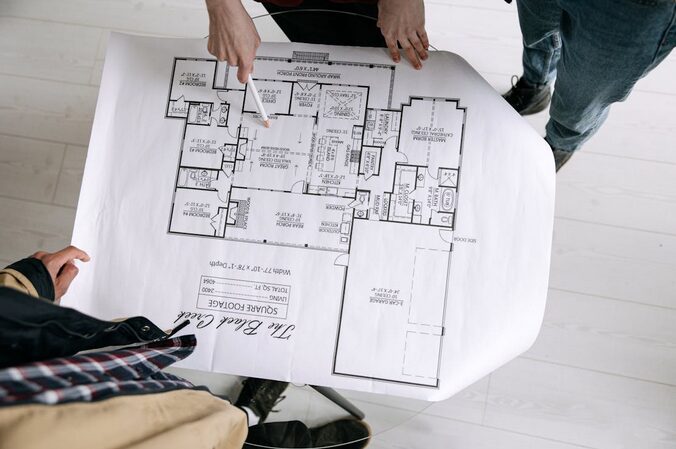
Before knocking down any wall, it’s essential to know which ones are load-bearing. These walls support the upper floors or roof and can’t be removed without adding new structural support. Consulting a structural engineer or a licensed contractor is crucial at this stage. They will determine what changes can be safely made. Sometimes, installing a support beam or column is necessary to maintain the home’s integrity. This step ensures your open layout remains both beautiful and structurally sound.
Balancing Light and Space
One of the biggest appeals of an open layout is how it enhances natural light. Without walls blocking windows, light travels freely across the area, brightening every corner. To make the most of this advantage, position windows strategically and use light-toned finishes. Mirrors and reflective surfaces can also amplify brightness. However, remember that too much openness can sometimes feel overwhelming. Define specific zones through furniture placement, rugs, or lighting to retain a cozy atmosphere.
Defining Functional Zones
Even in an open layout, each space should serve a distinct purpose. The living, dining, and kitchen areas may share the same room, but they still need clear boundaries. You can create these zones using subtle visual cues like ceiling variations, flooring materials, or area rugs. Thoughtful arrangement of furniture can also help guide movement and define functions. This approach maintains flow without losing the clarity of each area’s role.
Maintaining Cohesion Through Design
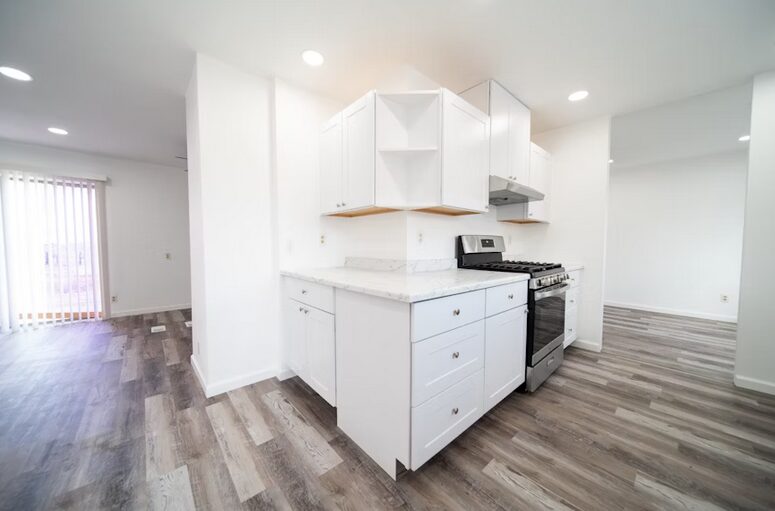
An open floor plan thrives on unity. Every design element, from flooring and color palette to furniture style, should connect seamlessly. Using a consistent color scheme ties everything together, while varying textures add depth and character. Cohesion doesn’t mean everything must match perfectly. Instead, choose complementary tones and materials that create visual harmony. This strategy ensures your open space feels intentional, not disjointed.
Managing Noise and Privacy
While open layouts encourage interaction, they also make noise travel more easily. Conversations, kitchen sounds, or television audio can fill the entire space. To manage acoustics, incorporate sound-absorbing materials such as rugs, curtains, and upholstered furniture. Strategic furniture placement can also help minimize echo. For moments that demand privacy or quiet, consider flexible dividers or sliding panels that can close off certain areas when needed. These solutions maintain openness while giving you control over your environment.
Adding Personal Touches
Every open floor transformation should reflect the homeowner’s unique personality. Accessories, art, and decor can breathe life into the design. A few well-chosen pieces can create focal points that enhance the overall aesthetic. Mixing modern and rustic elements, or combining different textures, can make the space feel more dynamic. The key is to balance enough individuality to make the space yours, but not so much that it feels cluttered or chaotic. A well-designed open plan should feel inviting, functional, and genuinely yours.
Working With Professionals
While DIY projects can be fulfilling, an open floor transformation is best handled by professionals. Designers, contractors, and engineers bring expertise that ensures every aspect is done correctly, from structural changes to finishing details. They can help you navigate building codes, manage budgets, and recommend materials that suit your lifestyle. Partnering with experts gives you peace of mind and helps you achieve the best possible outcome with utmost efficiency and safety.
An open floor plan can completely redefine how you experience your home. It promotes light, flow, and connection qualities that make living spaces feel more engaging and comfortable. Yet, this transformation demands thoughtful design, technical knowledge, and a clear understanding of your needs. By balancing openness with structure, and style with function, you can create a home that feels both spacious and personal. Whether you live in a cozy condo or a large family home, the open concept offers a timeless way to blend beauty and practicality under one roof.