

In today’s ever-evolving security landscape, safeguarding your business is more important than ever. Whether you own a small retail store or manage a large corporate office, implementing a robust commercial security system can help protect your assets, employees, and customers. In this article, we’ll explore the key components of commercial security systems and share best practices to ensure your business remains secure.
What Is a Commercial Security System?
A commercial security system by locksmith encompasses a variety of measures designed to protect a business from theft, vandalism, and other security threats. These systems can include physical barriers like locks and safes, as well as technological solutions such as surveillance cameras and alarm systems. By combining these elements, businesses can create a comprehensive security plan tailored to their specific needs.
Key Components of Commercial Security Systems
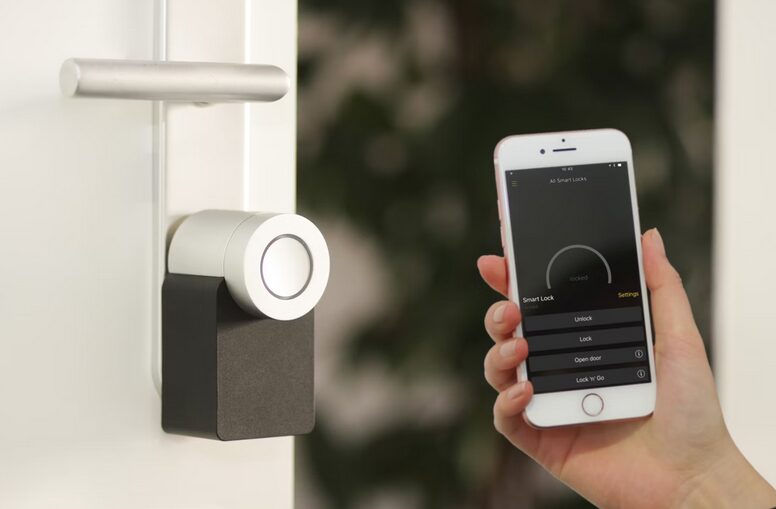
Here are some essential components to consider when setting up your commercial security system:
- Access Control Systems: These systems regulate who can enter specific areas of your business. They can include keycard systems, biometric scanners (like fingerprint or facial recognition), and traditional locks. Implementing access control helps ensure that only authorized personnel can access sensitive areas, reducing the risk of unauthorized entry.
- Surveillance Cameras: CCTV (closed-circuit television) cameras are a crucial component of any security system. They deter potential criminals, provide evidence in the event of a crime, and can help monitor employee behavior. Ensure your cameras cover key areas, such as entrances, exits, and high-value locations.
- Alarm Systems: An effective alarm system can alert you to potential security breaches. These systems can be triggered by unauthorized entry, motion detection, or even smoke and fire. Consider integrating your alarm system with monitoring services for immediate alerts to emergency responders.
- Intercom Systems: Intercom systems enhance communication between different areas of your business, allowing staff to verify the identity of visitors before granting access. This is particularly useful for businesses with restricted areas, such as offices with sensitive information.
- Lighting: Adequate lighting is essential for deterring criminal activity. Well-lit entrances, parking lots, and outdoor areas increase visibility and discourage potential intruders. Consider motion-sensor lights that activate when someone approaches your property.
Best Practices for Commercial Security

To maximize the effectiveness of your commercial security system, follow these best practices:
- Conduct a Security Assessment: Regularly assess your security needs to identify vulnerabilities. Evaluate your physical space, assess potential risks, and consider the unique challenges of your business environment. This assessment will help inform your security strategy.
- Implement a Layered Approach: A comprehensive security strategy combines multiple components to create a layered defense. For example, pair surveillance cameras with access control systems and alarm monitoring for maximum protection.
- Train Employees: Ensure that all employees are aware of your security policies and procedures. Provide training on how to use security equipment, recognize suspicious activity, and respond to emergencies. An informed staff can act as the first line of defense against security threats.
- Regular Maintenance and Updates: Security systems require regular maintenance to function optimally. Schedule routine checks on all equipment, including cameras, alarms, and access control systems. Stay updated on the latest security technology to incorporate advancements into your system.
- Consider Remote Monitoring: Many modern security systems offer remote monitoring capabilities, allowing you to keep an eye on your business from anywhere. This feature is especially useful for owners who may not be on-site at all times.
How to Choose the Right Security Provider
Selecting a reputable security provider is crucial for implementing an effective security system. Look for companies that offer comprehensive solutions and have a proven track record in the industry. Ask for recommendations, read reviews, and request quotes to compare services.
Understanding the components and best practices of commercial security systems is essential for protecting your business. By implementing a well-rounded security plan, you can minimize risks and ensure a safer environment for your employees and customers.